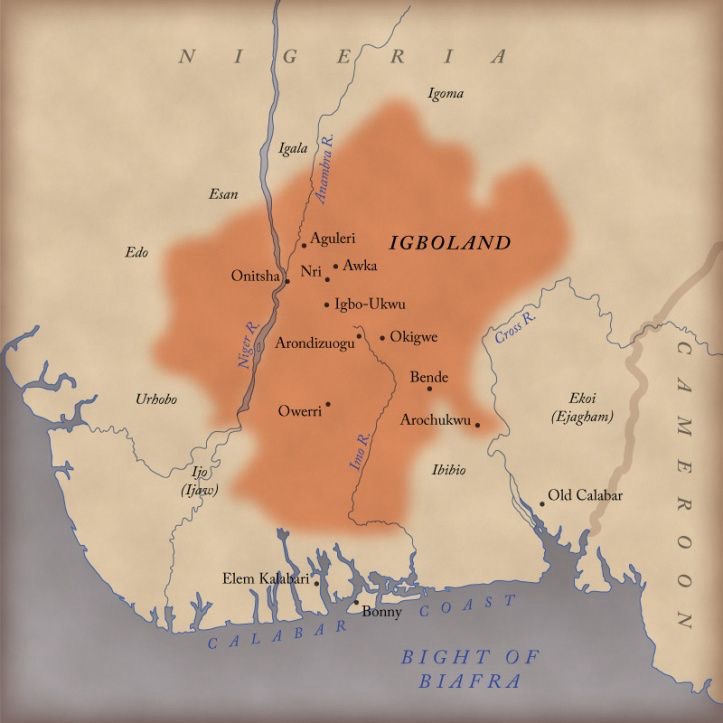
The Igbo culture is widely appreciated all over the world. From the language, attire, festivals, ceremonies, and assorted delicacies, the culture is reputable. Igbos are mostly known for their entrepreneurship mindset. They set a pace and leave a statement wherever they go. That is why when someone tends to monetize everything, you hear “You like money like the Igbo man”. Igbos are the seeds of the southeastern part of Nigeria consisting of Abia, Imo, Anambra, Enugu, Ebony, and other states that extend into the southeast.
The Igbo traditional wedding ceremony is not just a couple-joining ceremony. It is also the union with families from both sides, relatives, and the community who came all the way to make it a grand success. Before the Igbo traditional wedding ceremony takes place, there are procedures to be done and duly followed.
The Procedures Of The Igbo Traditional Wedding Ceremony
After the couple decides they are a match, and the proposal has been completed, the man and the woman are known publicly as “ndi choro ilu di la nwanyi” (fiancé and fiancée). They introduce each other to relations and friends thus: nwanyi nchoro ilu (the woman I want to marry); onye choro ilum (the man who wants to marry me). More character and personality traits are discovered, plans are discussed with optimism, more family members are visited, and the man and the woman visit each other’s parents to assist in some family chores and to acquaint themselves with cultures, and traditions (ome na ala) and taboos (nso ala). The man and the woman try to discover each other in every aspect except in the area of sexual intercourse which is reserved until after the wedding. If the man and the woman determine they are compatible with each other, this paves the way for the next step – Iku aka la onu uzo
Iku aka la onu uzo (knocking at the door)
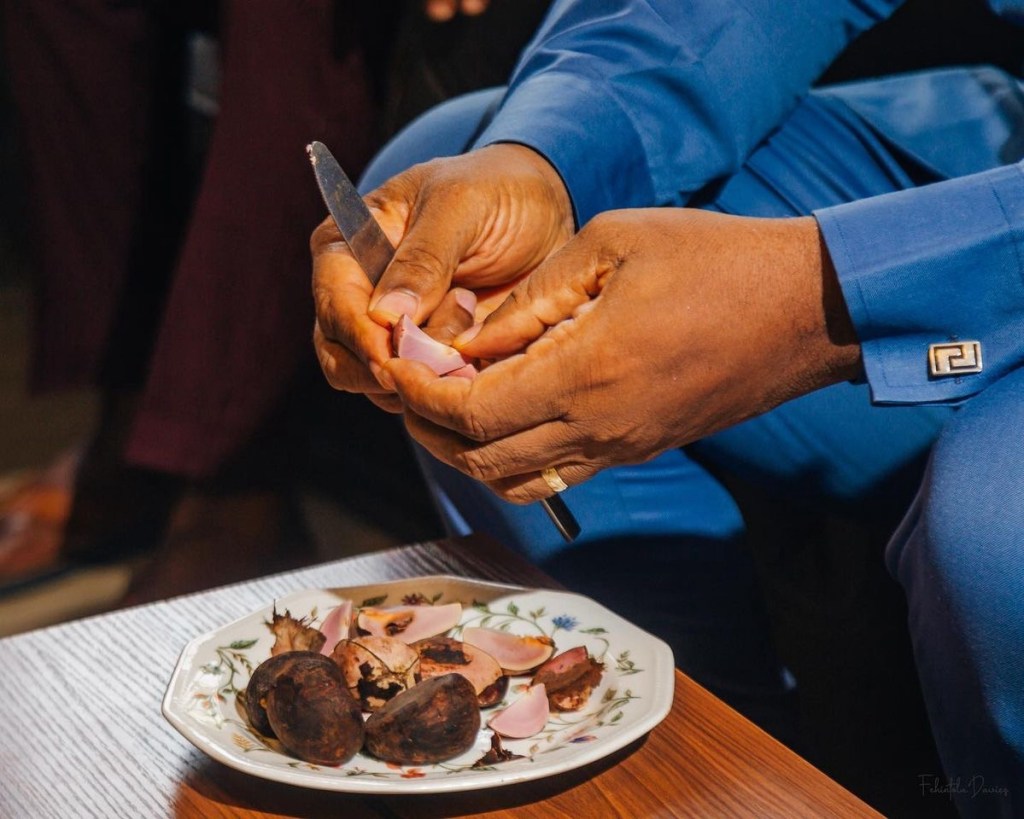
The man secures a date to visit the family of the woman. On the agreed date, the man’s parents and one or two senior family members accompany the man on the visit. They may, or may not go with anything, but as a sign of goodwill, they may go with some kola nuts, bitter kola, and a bottle of Schnapps or Seaman’s Aromatic drink. These are popular marriage drinks.
Iju ajuju (discreet background inquiry)
After the Iku aka la onu uzo ceremony, both families send separate emissaries to each other’s village or community to obtain confidential reports on each other’s family history. The areas of information sought include the history of terminal sicknesses, premature deaths, religious beliefs, cult membership, barrenness, unstable marriages, and notorious habits. If positive information is obtained by both families from the inquiries, both families give their consent to the proposed marriage. This sets the stage for the next step – Inara akwukwo usoro ilu nwanyi
Inara akwukwo usoro ilu nwanyi (collection of marriage lists)
There is typically one marriage list subdivided into: Women’s requirements, Men’s requirements, and General requirements. The man informs the fiancée’s family of his intention to collect the marriage list. No ceremony is involved here except to bring some gifts and pay some money separately to the men and women groups to collect the lists. The next stage after collecting the marriage list is: ime ihe umu nna la ihe umu nwanyi
Ikwu ugwo isi nwanyi or Ime ego isi nwanyi (payment of bride price)
A date is agreed upon by both families for the payment of the bride’s price. During this visit, the man comes with a larger number of people with the items on the marriage list or with money substitutes. A lot of haggling takes place on almost all the items on the list. The man’s family usually hires an experienced negotiator to do the negotiations on their behalf. In the end, there’s always an agreement. After settling all the groups on the list, the bride price is agreed between the woman’s father and the man’s family. The bride price goes very low or high depending on what the bride’s father chooses to take from the man. In some cases, the father of the bride will not take anything from the groom but advises him to take care of their daughter, as they have become one family. The bride’s prize is returnable to the man’s family in the unfortunate incident of the failure of the marriage. Sumptuous refreshments are served and goodwill messages bring the ceremonies to a close.
THE TRADITIONAL WEDDING: Igba nkwu nwanyi (the bride’s wine-carrying)

This is the final stage of the wedding process in Igboland. It marks the customary wedding party, which is usually done in the bride’s family compound. Cards are printed to invite people, The bride’s family decorates their compound and seats meant for the couple. The couple is dressed in Igbo traditional Wedding attire ( Isiagu, George wrapper, Gele, beads, etc). The bride’s family caters for the food and drinks. Live bands or music, traditional dancers, master of ceremony (MC) are hired to make the ceremony more entertaining. A resourceful MC usually introduces a variety of shows to raise money for the couple and to entertain the guests. In some places, this is the day the bride’s prize is negotiated and settled. The settlement is done before the igba nkwu ceremony begins. The climax at the occasion is usually when the bride’s father fills a tumbler called iko with wine and asks the bride to go and bring the groom for joining and marriage blessings. The groom is hidden among the guests. She dances beautifully holding the cup of wine with smiles on her face as she searches for her husband. During this process, some guests and the husband’s friends would beckon her to bring the drink to them. She ignores them and continues to search until she finds him and kneels to serve him the drink. Everyone erupts in excitement as the bride and the groom dance to receive blessings from their parents.
The father hands over the bride to her mother-in-law requesting her to treat the bride as she would treat her biological daughter and presents a live goat to her father-in-law. The MC takes over and executes other items on the agenda including feasting and dancing. The bride follows the groom’s family to their house after the ceremonies. This elicits a lot of emotions from friends and members of her family The bride’s mother presents gift items such as cooking utensils, bed sheets, suitcases, boxes, sewing machines, bed, pillowcases, plates, spoons, wrappers, clothes, and even cars and other important things depending on the family’s financial capability. This is done to give the couple a head start to reduce expenses for them. Igbo Amaka!
 Sophia’s Blog
Leave a comment